Copacabana, Bolivia is a small town located on the southern shores of Lake Titicaca. It is known for its incredible views of the lake, as well as its cultural heritage. No trip to Bolivia is complete without visiting Copacabana! In this blog post, we will discuss the history of the town, things to see and do while you’re visiting, the cuisine, where to stay, and tips for visiting.
Table of Contents

History of Copacabana
The name Copacabana comes from the Aymara language. It most likely means “view of the lake”, but there are different theories as to the true meaning of its name.
For thousands of years, Copacabana has served as a place of prayer for indigenous people. The ancient Incas went on pilgrimages to Copacabana to make sacrifices to Inti, the sun deity, as they held the belief that Lake Titicaca was the birthplace of the sun. The village served as a significant location for the veneration of the Virgin of Copacabana, who was regarded as possessing the ability to heal disease and promote fertility in the region.
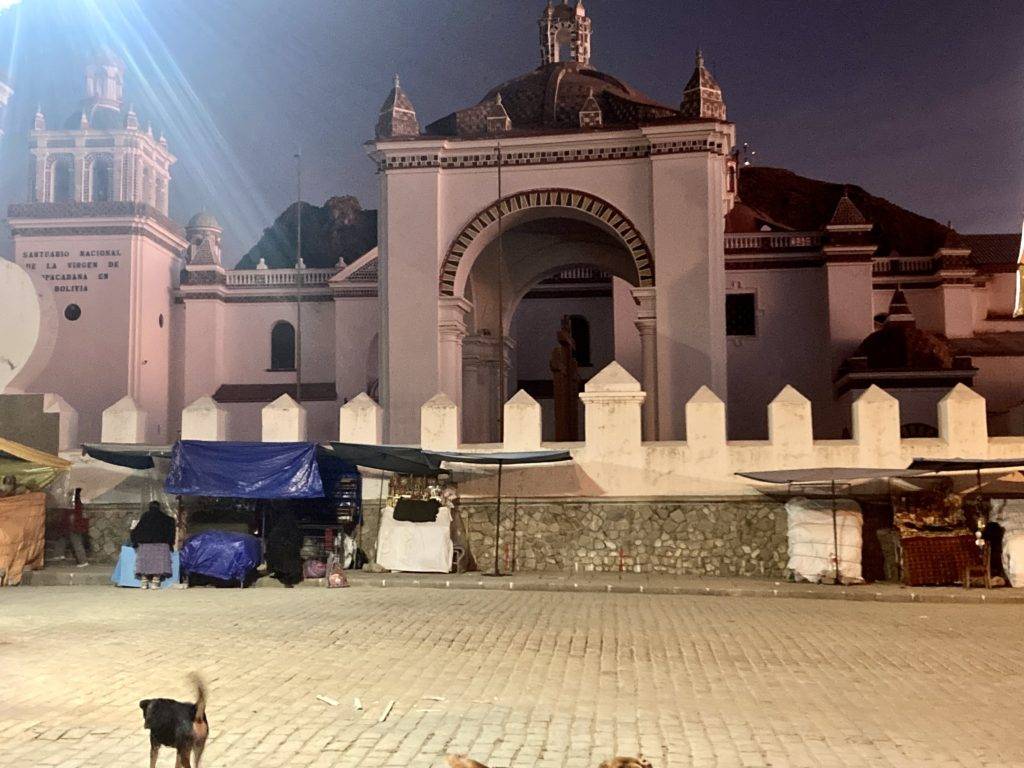
Copacabana became a significant site of Catholic worship throughout the Spanish conquest of South America. After the Virgin of Copacabana’s shrine was constructed in the sixteenth century, the town gained popularity as a destination for Catholic visitors. Many religious pilgrims still travel to Copacabana to see the shrine, which is still a significant religious center.
Recently, Copacabana has become more popular among tourists. People visit from all over the world to experience the beautiful scenery and rich history of the region. It is also easily accessible to the Peruvian border if you wish to continue traveling west.

Things to See and Do
While there is plenty to see and do in Copacabana, here are our recommended top 5!
Visit La Isla del Sol
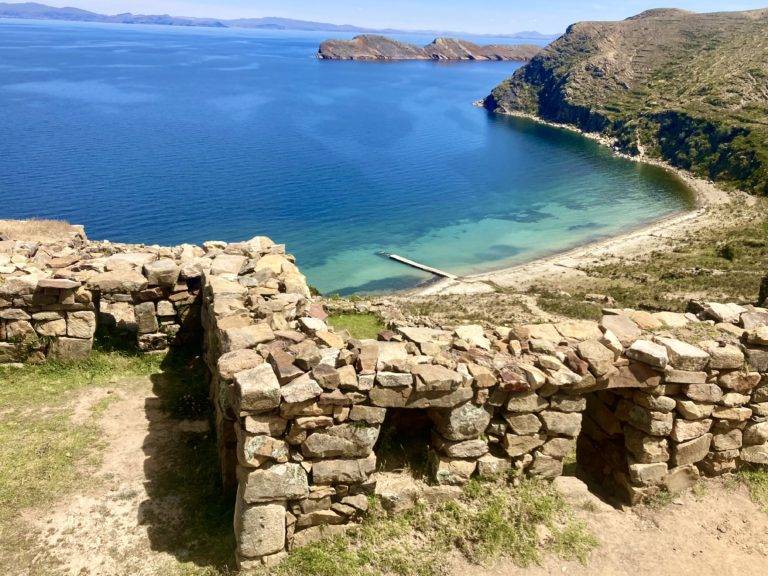
La Isla del Sol is one of the best islands that I have visited in South America. This small island has had a big impact on history. Today, it contains the ruins of ancient civilizations, as well as small villages that make their living through fishing and farming. Click here to read our guide of La Isla del Sol.
Visit La Isla de la Luna
Located east of La Isla del Sol, the “Island of the Moon” is much smaller with less ruins. However, there is a famous archaelogical ruin called Inakuyu, or “Temple of the Moon”. This 35-room housing complex was used for ceremonies and training women to weave and cook. This site alone makes it worth a visit!
Hike up the Cerro Calvario
Cerro Calvario is a large hill overlooking Copacabana and Lake Titicaca. Hikers are welcome to ascend the hill and take in the scenery. Although the trek is difficult and steep, the views of the surrounding area are well worth the effort. There is a Catholic shrine at the top, along with vendors selling refreshments. Enjoy the peaceful views of the lake without the crowds and noise of th etown below.
Visit the Basilica of Our Lady of Copacabana
This magnificent cathedral is one of Copacabana’s most recognizable sights. Located on the main plaza of the town, this large church is dedicated to the Virgin of Copacabana, Bolivia’s patron saint. Visitors can take in the stunning architecture and discover the town’s lengthy religious heritage.
Take a Boat Tour of the Islands
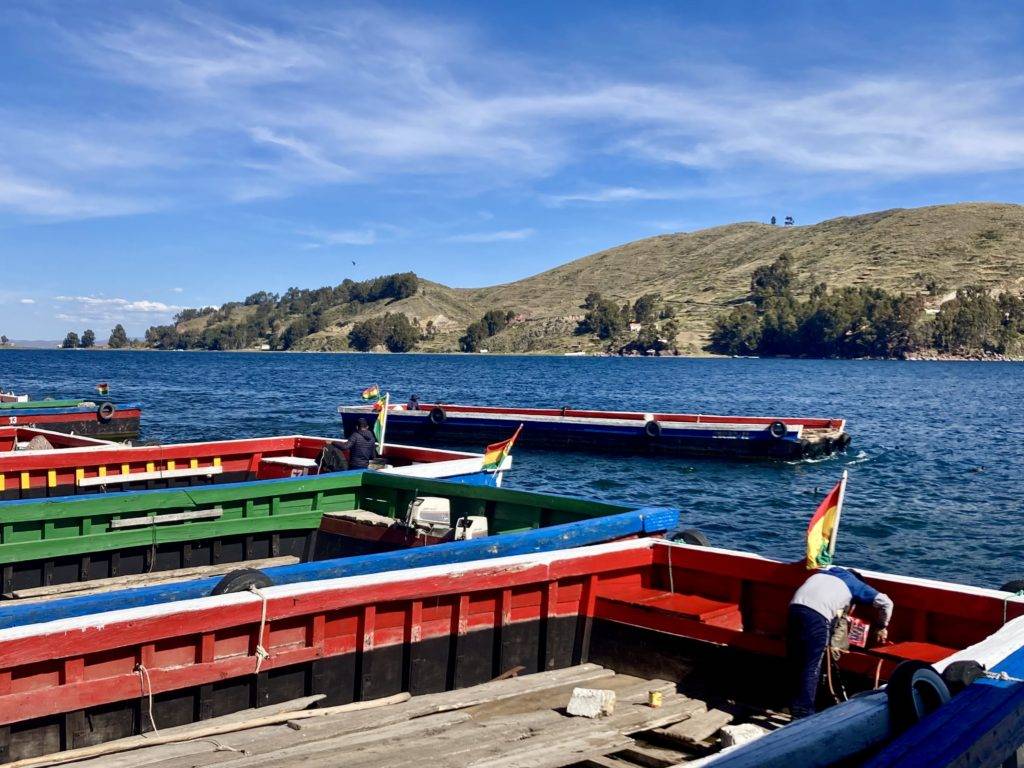
Lake Titicaca is one of the largest, highest, and deepest lakes in the world. There are also about 40 natural islands and 120 floating reed islands! With all that there is to see, we highly recommend booking a boat tour around the lake. To get an idea of what’s available, you can check out boat tours here.

Cuisine of Copacabana
The cuisine of Cuenca is a mix of indigenous, European, and African influences. Here are the top 3 foods you should try!
Trucha
You can’t visit Copacabana without eating trucha. This is a type of trout that is common in Lake Titicaca. The most common way of serving it is as a grilled fillet with a side of rice, french fries, small salad, and a lime. You will find restaurants selling trucha from 20-25 Bolivianos (about $2.89-$3.60 USD)!
Pasankallas
This is a traditional food made from puffed corn kernels and coated with sugar. You can find this cheap snack being sold by vendors all over town. I highly recommend buying a bag of pasankallas if you plan to hike up the Cerro Calvario or walk around La Isla del Sol.
Pique a lo Macho
Pique a lo macho is another traditional Bolivian dish that is made of beef, sausage, and other meats. They are mixed together in a spicy sauce and often service with rice and potatoes.
Where to Stay
When I visited Copacabana in April, there were tons of accommodation options and not many tourists. This led the hostels and hotels to drive down their prices. Make sure to look at different places to stay, because you will likely find some very cheap options.
Low Budget
There are hostel dorms available for around $6 USD/night. I was able to find a private room for about $5.50/night! Make sure to read the reviews before booking the cheapest place!
Medium Budget
If you want a private room closer to the lake shore, you can find options from around $20-30/night. If you want to stay on La Isla del Sol, some of the dorm rooms in the cheaper hostels go for about $30/night.
High Budget
There are some more expensive hotels in Copacabana going for about $50-$60/night, but the most expensive hotels are on La Isla del Sol. Some of the large hotels with luxurious amenities go for as high as $160/night!
Tips for Visiting
Before your trip to Copacabana, here are 5 tips to ensure your visit goes smoothly.
- Bring warm clothes: Even if you are coming from neighboring areas where the weather was hot, it will likely be cold in Copacabana. The high altitude can also make the temperatures drop below freezing at night.
- Bring food and water with you on La Isla del Sol: Despite the cool weather, walking around at such a high elevation will wear you out. On La Isla del Sol, you can walk for hours without seeing anybody.
- Learn Spanish or download a translation app: This is an easy way to save money. I did not encounter any English speakers on my trip to Copacabana. However, I did find some restaurants with a menu translated into English. Those restaurants charged twice as much for the same items as the restaurants on the same street without a menu in English.
- Learn a couple phrases in Aymara: If you can say “thank you” in Aymara, you will leave a good impression on the people. Try saying Yuspagara (Yu-spa-GAR-ah) or Yuspagaratam (yu-spa-GAR-ah-tam) depending on the dialect.
- Bring good walking shoes: The hike up the Cerro Calvario and around La Isla del Sol is tough, partly due to the rocky trails. Make sure your shoes have the proper support before embarking on these hikes. Injuring yourself in the middle of these hikes could be dangerous.